
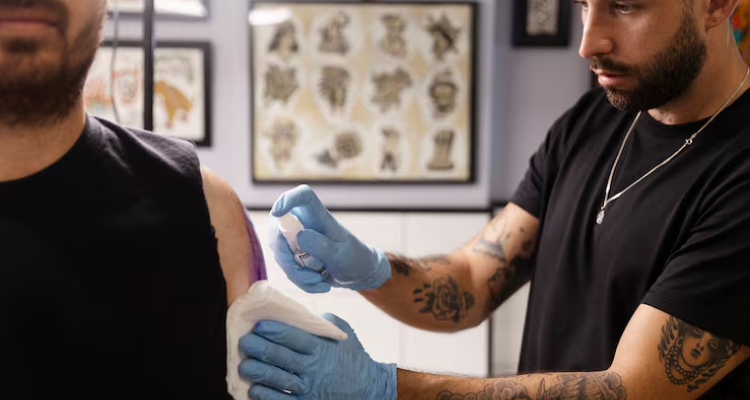
From Inked to Clear: How Modern Picosecond Lasers Support Tattoo Removal
Posted on by Tattoo Expert
Tattoos are often created with permanence in mind. Yet life circumstances, career shifts, aesthetic preferences, and personal growth can change how someone feels about their ink. As tattoo culture has become mainstream, interest in tattoo removal has also increased, particularly among individuals seeking significant fading or full clearance rather than simple cover-ups.
Complete tattoo removal has historically been challenging. Certain ink colors have resisted treatment. Dense professional tattoos have required numerous sessions. Some tattoos have appeared to “plateau,” fading only so far before progress slowed.
In recent years, newer-generation picosecond laser technology has influenced how tattoo removal is approached. Among these systems is PicoSure® Pro, which represents one example of platforms designed to fragment tattoo ink more efficiently, including pigments that were once difficult to treat.
To better understand how this technology is influencing outcomes in clinical practice, we spoke with Lindsay Meldrum, Owner and Lead Clinician at Bare Laser & Skin’s laser tattoo removal clinic in London, Ontario.
The Challenge of Complete Tattoo Removal
Tattoo removal is both a biological and technological process. When a tattoo is applied, ink particles are deposited deep into the dermis. The body recognizes these particles as foreign but cannot easily eliminate them because they are too large for immune cells to clear.
Laser tattoo removal works by fragmenting those particles into smaller pieces. Once sufficiently broken down, the body’s immune system gradually removes them through the lymphatic system.
However, not all lasers operate the same way, and not all inks respond equally. Professional tattoos tend to be more saturated and layered than amateur tattoos. Certain pigments—particularly blues, greens, and some purples—have historically been difficult to treat with older nanosecond laser systems.
Advancements in pulse duration have helped address some of these challenges.
How Picosecond Laser Technology Works
PicoSure® Pro is one example of a picosecond laser system, meaning it delivers energy in trillionths of a second. Rather than relying primarily on thermal (heat-based) energy, it uses ultra-short pulses that generate a photomechanical, or acoustic, effect.
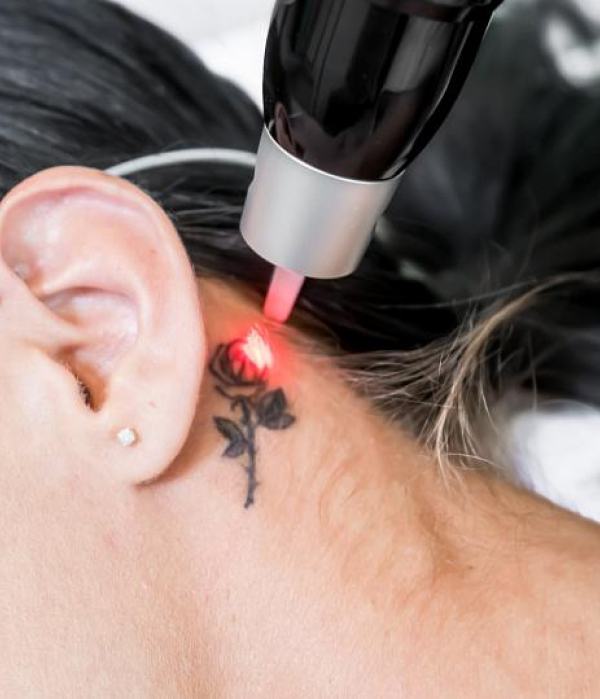
This distinction is important. By creating rapid pressure waves, the laser can shatter ink into very small particles without prolonged heat exposure. Smaller fragments are generally easier for the body to process over time.
“Successful tattoo removal isn’t about rushing the process—it’s about using appropriate technology and individualized planning,” says Meldrum.
Because of this mechanism, some clinicians report improved responses in tattoos that previously showed limited progress with older devices.
To better understand how this technology is influencing outcomes in clinical practice, we spoke with Lindsay Meldrum, Owner and Lead Clinician at Bare Laser & Skin’s laser tattoo removal clinic in London, Ontario.
Treating Resistant Ink Colors
Historically, green and blue pigments have posed challenges in tattoo removal. Their molecular structure absorbs certain wavelengths less efficiently, making them harder to fragment.
Modern picosecond platforms are designed to target a broader spectrum of pigment colors. While no laser system guarantees complete removal of every ink tone in every skin type, shorter pulse durations and expanded wavelength options have improved outcomes in many cases.
“With newer technology, I’m often able to address inks that were once difficult to treat,” Meldrum explains.
Complete removal, however, still requires patience, appropriate spacing between sessions, and individualized treatment planning.
Why Some Tattoos “Plateau”
Some clients become concerned when their tattoo appears to stop fading.
- Plateauing can occur for several reasons:
- Remaining ink particles are very small or densely packed
- Certain pigments resist further fragmentation
- Immune response slows between sessions
- Laser energy delivery is insufficient
In some cases, switching technology or adjusting protocols may help renew progress.
Read More: How to Prepare for Your First Tattoo Removal Session
“I’ve seen tattoos that slowed with earlier treatments continue to improve after changing approaches,” says Meldrum.
While this does not guarantee complete disappearance, improved fragmentation may allow the body another opportunity to process remaining pigment.
Setting Realistic Expectations
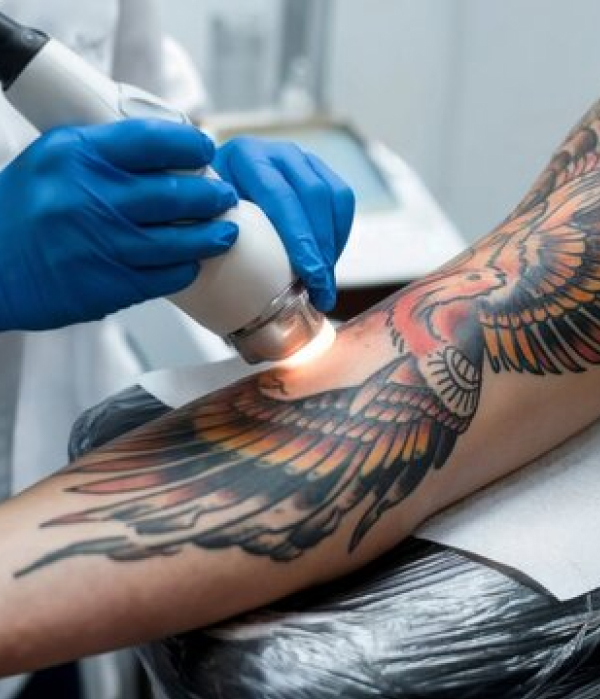
Even with advanced technology, tattoo removal remains a gradual process. Most clients require multiple sessions spaced six to eight weeks apart. Larger or more saturated tattoos may require additional treatments. Factors influencing clearance include:
- Ink depth
- Pigment density
- Skin tone
- Tattoo age
- Overall health and immune function
- Aftercare compliance
Complete removal often means fading to the point where residual pigment is barely noticeable under normal lighting. In some cases, faint “ghosting” may remain.
Clinicians emphasize transparency during consultations. Achievable does not mean instant, and results vary between individuals.
The Role of the Immune System
Laser treatment represents only part of the removal process. After ink particles are fragmented, the immune system performs the actual clearing. Specialized cells called macrophages absorb pigment fragments and transport them through the lymphatic system.
This is why sessions must be spaced appropriately. Treating too frequently does not allow sufficient time for biological clearance. Hydration, overall health, and avoiding smoking may support immune function, although individual variability remains significant. Advanced laser systems can enhance fragmentation, but the body ultimately completes the process.
Safety and Side Effects
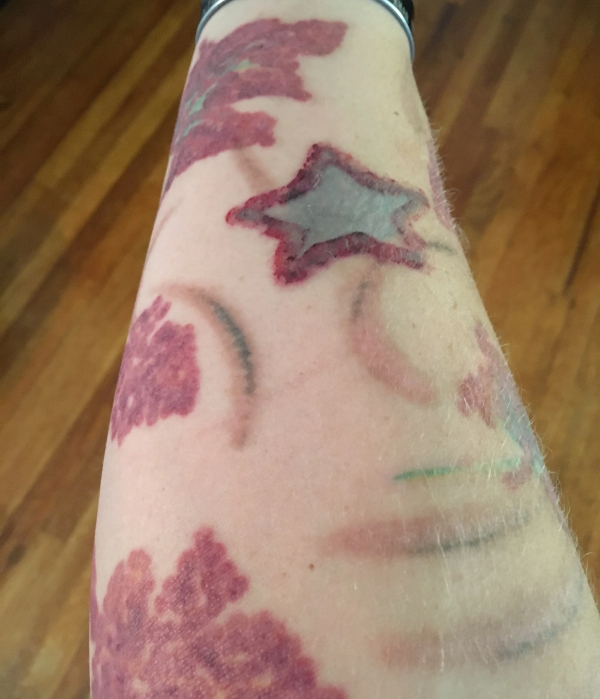
- Redness
- Swelling
- Mild blistering
- Temporary pigment changes
- Local sensitivity
These effects usually resolve within days or weeks. Long-term complications such as scarring are uncommon when proper protocols and aftercare are followed. However, no cosmetic procedure is entirely risk-free, and thorough consultation is essential.
Why Technology Choice Matters
Laser tattoo removal has evolved significantly over the past two decades. Earlier systems often required more sessions and delivered more thermal energy, which could increase discomfort and recovery time.
Picosecond platforms represent a refinement in precision. By delivering energy in ultra-short bursts and producing smaller ink fragments, they may improve clearance in some challenging cases.
No single laser system is universally superior for all tattoos. Successful outcomes depend on practitioner experience, conservative treatment planning, and patient education.
Quick Answers About Tattoo Removal
➢ Can all tattoos be completely removed?
Many tattoos can be significantly faded or fully cleared, but results vary depending on ink type, skin tone, and biological factors.
➢ How many sessions are needed?
Most clients require six or more sessions, spaced several weeks apart.
➢ Are some colors harder to remove?
Yes. Historically, green and blue pigments have been more resistant, although modern systems have improved outcomes.
➢ What happens if fading slows?
Plateauing can occur. Adjusting treatment protocols may help in some cases.
➢ Is the process painful?
Most clients describe the sensation as brief and manageable, especially with newer systems.
From Inked to Clear: A Gradual Process
Tattoo removal is rarely immediate, but advancements in picosecond laser technology have expanded available treatment options. For individuals seeking substantial fading or full clearance, modern systems may provide additional support—particularly for resistant pigments and tattoos that have plateaued.
The journey from inked skin to clearer skin requires patience, realistic expectations, and professional oversight. With appropriate planning and individualized care, meaningful improvement is increasingly attainable.
Disclaimer
This article is for informational purposes only and does not constitute medical advice. Individuals considering laser tattoo removal should consult a qualified healthcare professional to determine whether the procedure is appropriate for their specific circumstances.