The Ultimate Guide to Tattoo Machine Types and Their Uses (2025 Edition)
Posted on
If you’re serious about tattooing, your machine is more than just a tool — it’s your paintbrush, scalpel, and signature all rolled into one. But with so many types of tattoo machines on the market today, how do you choose the right one?
This guide breaks down the most common tattoo machine types, their pros and cons, and which styles or techniques they suit best. Whether you’re just starting out or refining your gear setup, this guide will help you make the right choice — and avoid expensive trial and error.
Different Types of Tattoo Machines and Their Uses
1. Coil Tattoo Machines
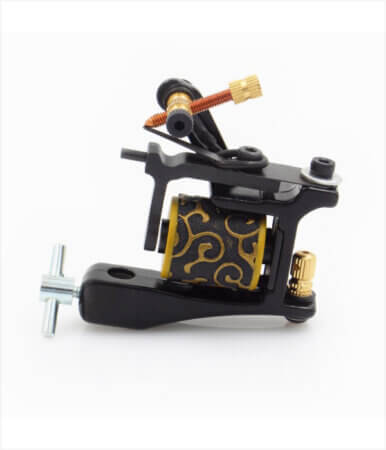
The coil machine is the OG of tattooing. Powered by electromagnetic coils, these machines create a characteristic buzzing sound and a strong, punchy motion.
→ Best for:
- Traditional bold lines
- Color packing
- Old school and neo-traditional styles
→ Pros:
- Time-tested, durable
- Clear separation between liners and shaders
- Many customizable parts (springs, coils, frames)
→ Cons:
- Heavier than other types
- Requires tuning knowledge
- More vibration = higher fatigue over time
Ideal for: Artists who love traditional techniques and want fine control through machine tuning.
2. Rotary Tattoo Machines
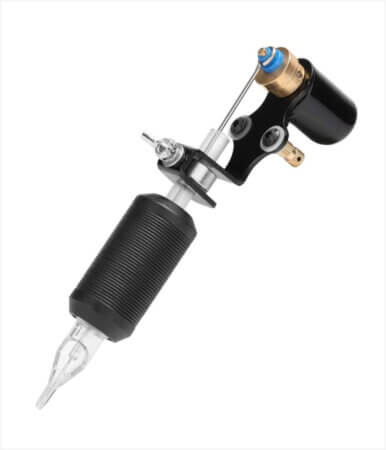
Rotary machines use a small motor to move the needle in a circular (rotary) motion, showing one of the ways tattoo machines works. They’re typically quieter and more lightweight than coil machines.
→ Best for:
- Smooth shading
- Fine line work
- Black & grey realism
- Beginners (easy handling)
→ Pros:
- Low vibration and noise
- Versatile (many models do both lining and shading)
- Minimal maintenance
→ Cons:
- Less “punch” than coil machines (some say it’s too soft)
- May require higher voltage for color saturation
Ideal for: Artists who want a reliable all-rounder or work in fine-line, dotwork, or soft shading styles.
3. Pen-Style Machines
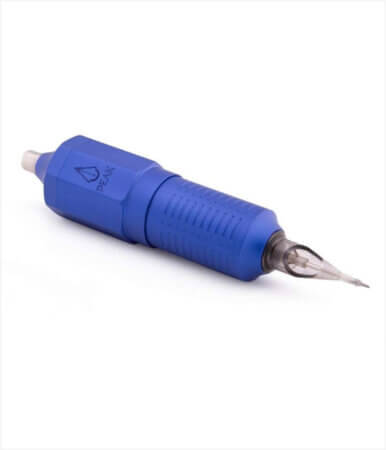
These modern machines resemble a thick pen or marker. Pen-style tattoo machines offer a compact, ergonomic design and direct needle movement — ideal for artists switching from PMU (permanent makeup) or those focused on precision.
→ Best for:
- Cosmetic tattooing (PMU)
- Microrealism
- Precision line work
- Long sessions
→ Pros:
- Ergonomically friendly
- Great for tight spaces and long tattoos
- Consistent needle depth
- Compatible with cartridge systems
→ Cons:
- More expensive than other machines
- Fewer DIY customization options
Ideal for: Artists working with detail-heavy designs or needing maximum wrist comfort.
Also Read: Tattoo Shop Equipment List
Quick Comparison Table
| Feature | Coil | Rotary | Pen-Style |
|---|---|---|---|
| Noise Level | High | Low | Very Low |
| Vibration | High | Low | Minimal |
| Ease of Use | Moderate | Easy | Very Easy |
| Versatility | Medium | High | High |
| Customization | Very High | Medium | Low |
Choosing the Right Machine for Your Style
There’s no “one-size-fits-all” in tattooing. Many pros use multiple machines depending on the job: a rotary for soft shading, a coil for punchy lines, and a pen for detailed fills or cosmetic work.
→ But before you invest, consider:
- Your preferred tattoo style
- Your experience level
- Your hand size and grip comfort
- Your budget and maintenance routine
Where to Buy Reliable Tattoo Machines
Not all machines are created equal and not all suppliers are trustworthy. If you’re looking for reliable, high-quality machines that work right out of the box, check out Murostar Tattoo Supply. They offer a wide selection of rotary, coil, and pen-style machines, plus needles, grips, and power supplies for professional setups.
Whether you’re building your first kit or upgrading your workstation, Murostar Tattoo Supply is a solid go-to for quality and service.
Final Thoughts
Your tattoo machine should match your vision, not hold it back. Coil, rotary, or pen — the right machine becomes an extension of your hand.
So take the time to test, tweak, and invest in gear that supports your growth. Because in tattooing, your tool doesn’t just leave a mark — it defines your signature.